Single Temperature Incubation in Environmental Monitoring: Myths vs. Facts
Environmental Monitoring (EM) is a crucial component of product safety and efficacy when it comes to pharmaceutical manufacturing. Traditional processes have relied on paper-based tracking, with many manual steps where each one increases the potential for errors and a lack of traceability.
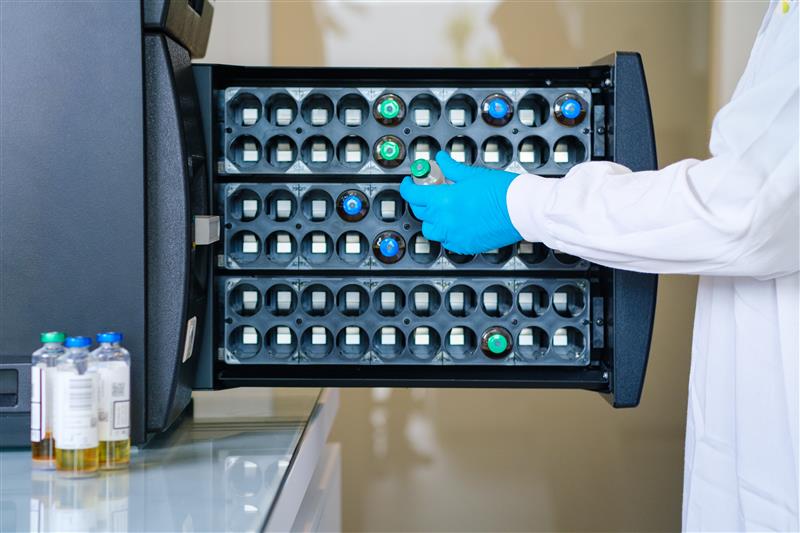
While regulatory demands grow for data integrity and traceability, and pharma manufacturers push for efficiency and productivity, traditional practices can be reevaluated to improve EM processes. One of the levers that is increasingly adopted by pharmaceutical industries is single temperature Incubation, an innovative way to cut costs and reduce inefficiencies.
Like any innovation, single temperature Incubation is subject to myths. Let’s investigate the facts with industrials and adopters.
Myth #1: Single temperature incubation will miss important microorganisms.
Fact: With the right media and data-driven strategy, a single temperature incubation demonstrated to support the growth of a broad spectrum of bacteria, yeasts, and molds commonly found in cleanroom environments.
Some of our in vitro and in situ studies have demonstrated that a single temperature between 25°C and 30°C can be suitable for an EM program: this temperature range seems the most adapted to a large panel of microorganisms encountered in clean areas.
This has also been Monica Pereira’s experience, Head of Quality Control at FRESENIUS. During a recent Pharma Symposium, she stated that:
“Single temperature incubation conditions showed equal or better results compared with dual incubation conditions. TSA at 25- 30ºC can recover all types of microorganisms, including all molds from Pharmacopeias and most molds from in-house isolates”
These studies1 have highlighted the importance of assessing the flora behaviour as the incubation temperature has different effects on the strain recovery, even in case of dual temperature regime:
- in the range of 22.5°C to 32.5°C, yeasts were found not sensitive at all
- for bacteria, the lower incubation temperature of 22.5°C affected the recovery of four strains. A temperature to reach 25°C was enough to recover all bacteria with good recoveries.
- the growth of the molds was more affected by high temperature as 32.5°C with 37 percent of the strains tested that did not recover, while 25°C was sufficient to have them all grow.
➡ It all comes down to building a data-driven strategy relying on feasibility. The bioMérieux teams are here to help you assess your needs and the best suited solution.
Myth #2: Regulatory Authorities require dual temperature incubation.
Fact: Regulatory bodies do not require the use of two incubation temperatures. What they expect is a scientifically proven, validated approach that demonstrates recovery of relevant microorganisms. Single temperature incubation, when properly validated, aligns fully with GMP expectations.
👉 Watch our customers’ stories to find out how they moved to single temperature incubation and received acceptance by regulators.
Myth #3: The re-validation needed for the change would be too much work..
Fact: Single temperature adopters have confirmed that the benefits and cost savings far outweigh the initial validation work. The switch to single temperature incubation can indeed prevent deviations & investigations costs linked to errors in incubation transfers or secondary contaminations contracted between two incubators. It also optimizes resource management, eventually saving valuable time for your teams – especially for higher volumes of EM samples.
Also, in the words of Quality Control Consultant Gilberto Dalmaso, the validation for the incubation time "is the exact same thing, whether you have two temperatures or just one.“
Should you still be concerned about the efforts needed to shift to single temperature incubation, the bioMérieux team can support you in assessing single incubation for your flora and associated savings through consultancy services.
“[The validation for the incubation time] is the exact same thing, whether you have two temperatures or just one.”
Myth #4: It works fine the way we do it. Why would we need to change our ways?
Fact: Relying on tradition can hold back progress. In fact, dual incubation adds complexity, cost, and room for error – with little proven benefit in many EM programs. Single incubation reduces workload, streamlines procedures, and still delivers robust results when properly implemented.
Additionally, authorities are looking for data-driven strategies and decisions, also regarding incubation conditions. Flora does evolve in a pharma site, posing a risk of new microorganisms not being detected during the EM campaign. Assessing the relevance of incubation conditions on a regular basis is essential.
Myth #5: No one else is doing this, we’d be taking a risk.
Fact: Many forward-thinking pharmaceutical companies and CDMOs are already using single incubation successfully. Real-world case studies show it supports scalability, efficiency, and compliance – and auditors are increasingly familiar with and accepting of risk-based, single temp strategies.
Hear from the experts!
On the same topic...
* Gilberto Dalmaso's quotes are free translations coming from his Italian testimony.